



The Chicken Road Game signifies a notable shift in physical therapy techniques across the UK. By integrating traditional rehabilitation with engaging gameplay, chickenroadplay.eu, it confronts both physical and emotional obstacles faced by patients. This novel approach not only encourages motivation but also highlights the importance of play in recovery. As its recognition grows, questions arise about its success and future uses in various rehabilitation settings. What lies ahead for this game-driven therapy model?
The Concept Behind the Chicken Road Game
While many rehabilitation approaches focus solely on physical exercises, the Chicken Road Game blends captivating gameplay with therapeutic aims to improve recovery. This novel approach fosters participation and engagement, which can greatly boost a patient’s motivation during therapy. By incorporating cognitive challenges with interactive tasks, the game promotes multi-dimensional recovery that addresses not only physical rehabilitation but also cognitive and emotional well-being. Players traverse obstacles while making strategic decisions, allowing them to enhance crucial problem-solving skills and coordination. Additionally, the game’s immersive experience can alleviate some of the tedium often associated with traditional rehabilitation methods. Ultimately, the Chicken Road Game serves as a bridge, aiding the overall healing process and empowering individuals to assume responsibility of their recovery journey.
How the Game Enhances Physical Rehabilitation
The Chicken Road Game notably enhances physical rehabilitation by engaging patients in a enjoyable yet intentional manner. It fosters engagement through interactive challenges that require coordination, balance, and strength. As patients maneuver through their virtual environment, they execute therapeutic exercises tailored to their particular needs, which assists to reinforce muscle memory and enhance motor skills. The game’s design provides prompt feedback, allowing patients to track their progress effectively. Furthermore, the developing nature of the challenges can be adapted to individual skill levels, ensuring that each participant experiences best engagement and stimulation. By decreasing the boredom of conventional rehabilitation methods, this cutting-edge approach boosts motivation, potentially leading to faster recovery times and enhanced physical outcomes.
Mental Resilience and Its Importance in Recovery
Mental resilience plays a crucial role in the recovery process for individuals undergoing physical rehabilitation. It includes the ability to adjust to challenges, maintain focus, and cultivate a hopeful outlook despite setbacks. Research shows that increased mental resilience can significantly improve recovery outcomes, allowing patients to participate more completely in their rehabilitation efforts. Those who cultivate these skills often undergo lowered anxiety and improved motivation, fostering a active approach to their treatment. Mental resilience not only permits individuals to face obstacles but also encourages persistence, which is crucial for reaching recovery goals. In the end, putting effort in mental fortitude isn’t just advantageous—it’s vital for navigating through the challenges of rehabilitation and enhancing overall well-being during this pivotal period.
The Role of Play in Physiotherapy
Integrating play into physiotherapy can significantly improve involvement and drive during recovery. By integrating game-like elements, therapists cultivate an environment where patients feel more invested in their rehabilitation process. This playful approach not only reduces anxiety but also transforms traditional exercises into pleasurable activities.
Games offers sensory activation, enhancing cognitive function and physical coordination. It fosters creativity, allowing therapists to adapt sessions to individual needs, thereby advancing personalized recovery pathways. As patients experience success in game-like tasks, their self-efficacy improves, reinforcing positive behaviors crucial for healing.
Furthermore, play fosters social connections, strengthening the therapeutic alliance between patients and providers. Ultimately, the inclusion of recreation into physiotherapy develops a comprehensive environment that emphasizes both physical and emotional well-being during recovery.
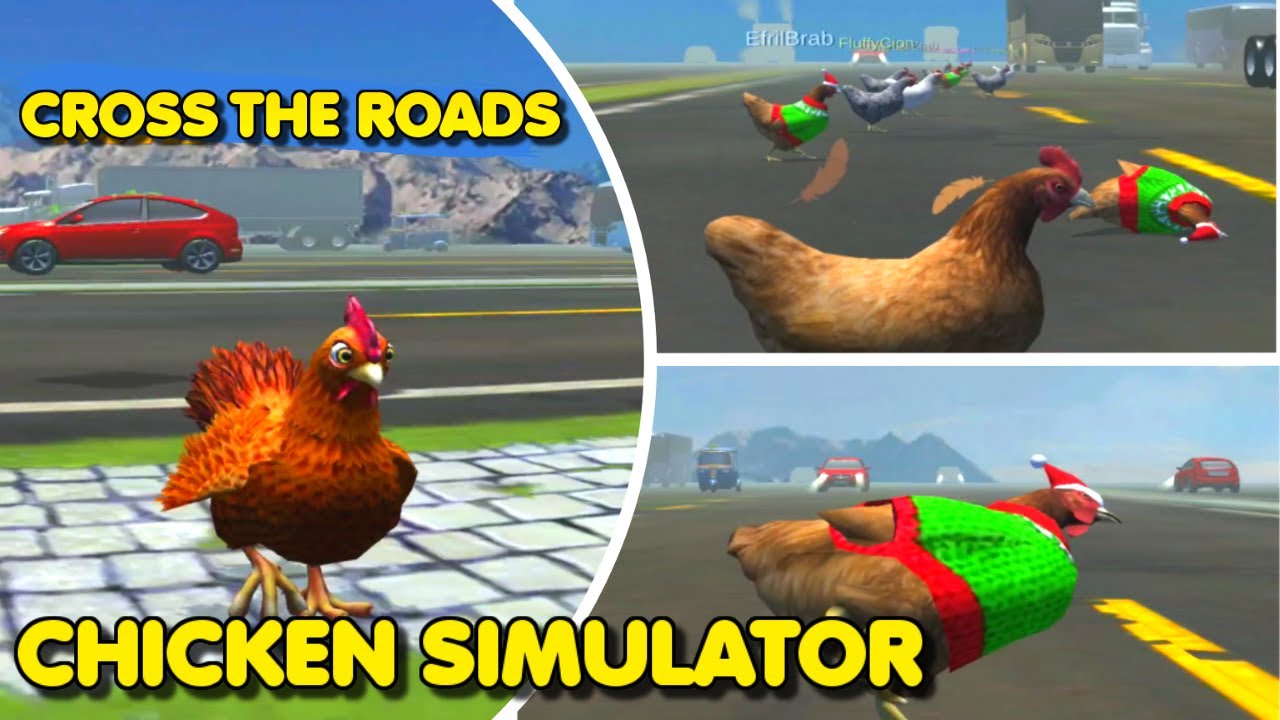
Success Stories: Athletes Using the Chicken Road Game
While maneuvering the complexities of rehabilitation, many athletes have discovered success through the novel Chicken Road Game, which transforms traditional recovery methods into engaging challenges. This unconventional approach not only supports physical recovery but also involves the mind, helping athletes recover confidence. One significant example is a sprinter who, after a major knee injury, employed the game to boost her agility and coordination. Another athlete, recuperating from shoulder surgery, reported notable improvements in range of motion and strength while participating in Chicken Road competitions. These stories underline the game’s versatility and versatile nature, making it an integral part of tailored rehabilitation programs. By harnessing enjoyment within the recovery process, athletes are achieving renewed motivation and resilience in their journeys.
Feedback From Therapists and Practitioners
Therapists and practitioners are increasingly recognizing the positive impact of interactive rehabilitation games on patient recovery. Their insights highlight the effectiveness of these tools in enhancing engagement and motivation, leading to observable improvements in patient progress. By sharing their experiences, they contribute valuable perspectives that can shape future approaches to physical therapy.
Therapist Insights on Efficacy
As clinicians gather perspectives on the efficacy of physical therapy games, many express optimism about their role in enhancing patient participation and recovery outcomes. Healthcare providers note that these games boost motivation, encouraging adherence to rehabilitation protocols. Increased activity levels often lead to improved physical function, allowing patients to regain strength more effectively. Additionally, clinicians emphasize the importance of real-time feedback incorporated in these games, which fosters self-awareness and promotes goal-setting. While acknowledging the varying degrees of efficacy based on individual conditions, the consensus remains that specialized game design can address specific therapeutic needs. In light of positive patient responses, clinicians believe that integrating such interactive tools may alter traditional therapy methods, ultimately enriching the recovery journey.
Practitioner Experiences in Recovery
Feedback from physiotherapy therapists and practitioners reveals a mosaic of experiences that illustrate the varied ways game-based strategies are intertwined with patient recovery. Clinicians report improved engagement when utilizing interactive formats, noting that patients often show increased motivation during sessions. Therapists observe that incorporating game mechanics promotes a sense of accomplishment, helping alleviate anxiety around rehabilitation tasks. Many practitioners emphasize the importance of tailoring these strategies to individual needs, as personalization greatly impacts outcomes. Some therapists also highlight the role of collaboration between practitioners and patients, which can strengthen adherence to treatment plans. Overall, the integration of game-based approaches supports not only physical improvements but also emotional resilience, underscoring their diverse contributions to recovery journeys.
Patient Progress Observations
While game-based strategies have shown promise in improving patient recovery, observations indicate that progress varies considerably among individuals. Therapists note several key factors influencing patient outcomes:
- Motivation Levels
- Cognitive Engagement
- Physical Capabilities
Future Implications for Sports Recovery in the UK
Developments in physical therapy are poised to transform sports recovery in the UK, enhancing athletes’ rehabilitation processes and overall performance. Emerging technologies—such as tele-rehabilitation, advanced biomechanical assessments, and personalized recovery programs—will allow practitioners to tailor interventions more effectively. Telehealth platforms allow for real-time monitoring, ensuring adherence to prescribed regimens from the comfort of athletes’ homes. Meanwhile, data analytics will support ongoing performance assessments, guiding adjustments in rehabilitation strategies. As a result, athletes can expect reduced recovery times and improved outcomes. Additionally, an emphasis on integrated approaches will address not only physical injuries but also psychological well-being. Such thorough care models will ultimately nurture resilience, promoting a generation of athletes who thrive under pressure both on and off the field.
Conclusion
The Chicken Road Game exemplifies an innovative fusion of play and therapy, considerably enhancing physical rehabilitation in the UK. By nurturing both physical and emotional well-being, it enables patients to reclaim their lives with renewed motivation. As therapists and practitioners witness positive outcomes, the potential for expanded applications in sports recovery becomes evident. This game not only alters the rehabilitation environment but also highlights the crucial role of enjoyment in promoting resilience and recovery in patients of all ages.